The Story of Manlihood: How an Email to a Few Friends Became Something I Never Expected
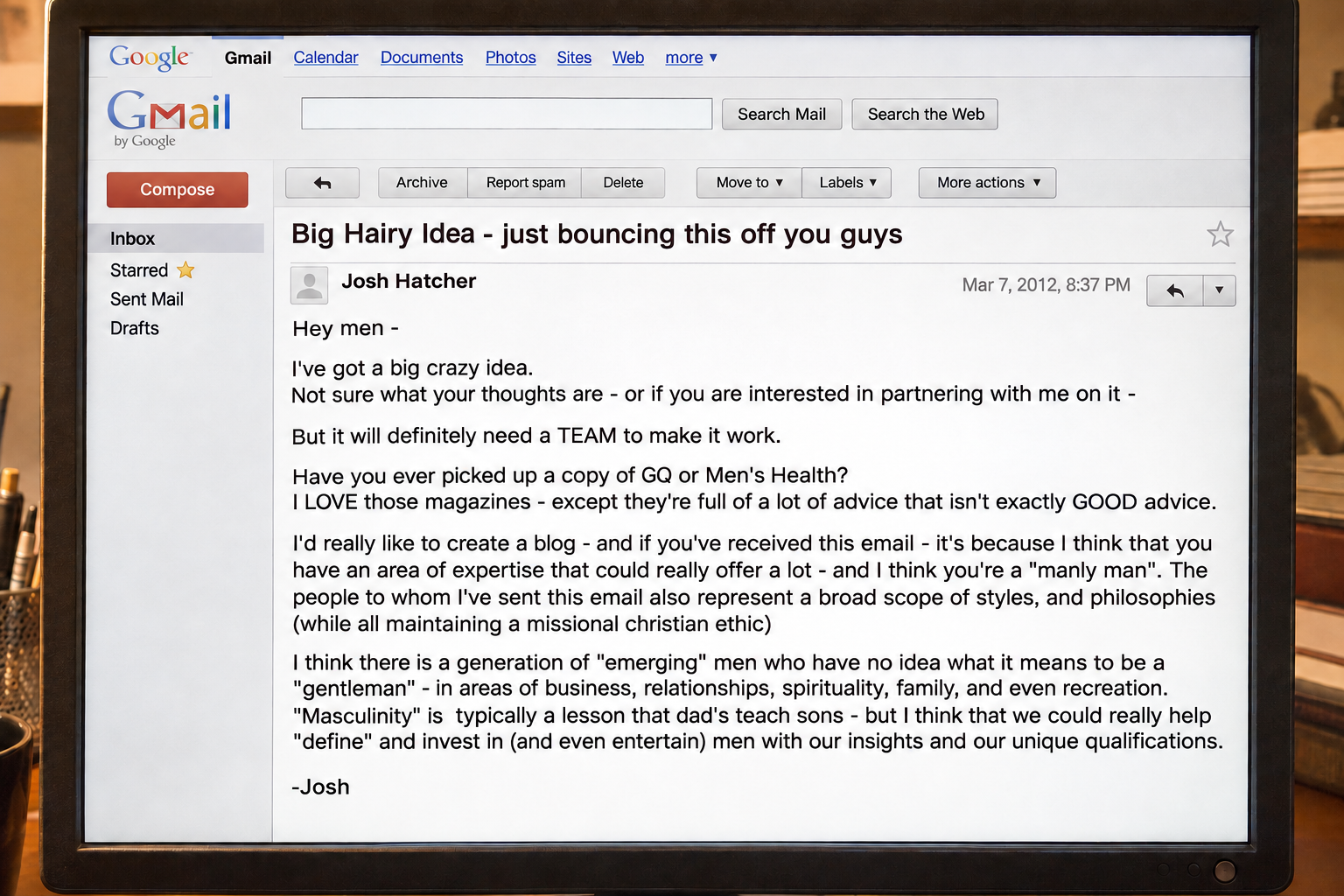
In 2012, I sent an email to some friends.
I had an idea for a website where men could talk about becoming better men. I asked some guys to help write for it. A few contributed articles, and about a year later, Manlihood.com launched.
I had to learn that other people could believe in the idea while having their own work to do. Carrying it forward was my responsibility.
So I kept writing. Kept asking questions. Kept putting things out there and figuring out what came next.
I couldn’t have imagined all the places those words would eventually go.
Into conversations between friends. Into books. Into a podcast approaching its tenth season. Into my own living room with guests I never expected to meet.
And, eventually, through prison walls.
But the story starts closer to home, with some things I needed to face in my own life.
The conversation that followed me into everything else
There was a season when I was spending long hours at the computer, trying to catch up on work. Projects were unfinished. Money was tight. I was neglecting my health, living with pain, and bringing frustration into my relationships.
Zoe confronted me about what it was doing to our family. She needed me to face my responsibilities as a husband and father.
She was right.
I had to reckon with the difference between how hard I felt I was trying and what life with me was actually like.
That conversation became a turning point. It took a lot of work for me to change. There have been other turning points since. My own need to grow became part of the foundation for Manlihood. I shared more of that beginning in our original story.
That’s an uncomfortable place for a man to stand.
You know what you intended. You know how tired you are. You know the pressure you’re under and all the things you’re trying to accomplish.
The people who live with you know how you speak to them. They know whether you listen. They know whether they can count on what you said you would do.
Eventually, you have to let their experience matter enough to examine your own.
That question has stayed close to the heart of Manlihood.
What does becoming a better man actually look like in the life you’re living?
At your kitchen table. At work. When you’re correcting your kids. When your wife needs something from you. When you’re tired and somebody interrupts your plans.
That’s where character gets practiced.
The blog posts became a book
As I kept writing for Manlihood, I started looking back through the work.
Something was taking shape.
Those articles were spelling out what I came to call the Twelve Pillars of Masculinity. Subjects I’d been exploring one post at a time belonged together. There was enough there to build a book.
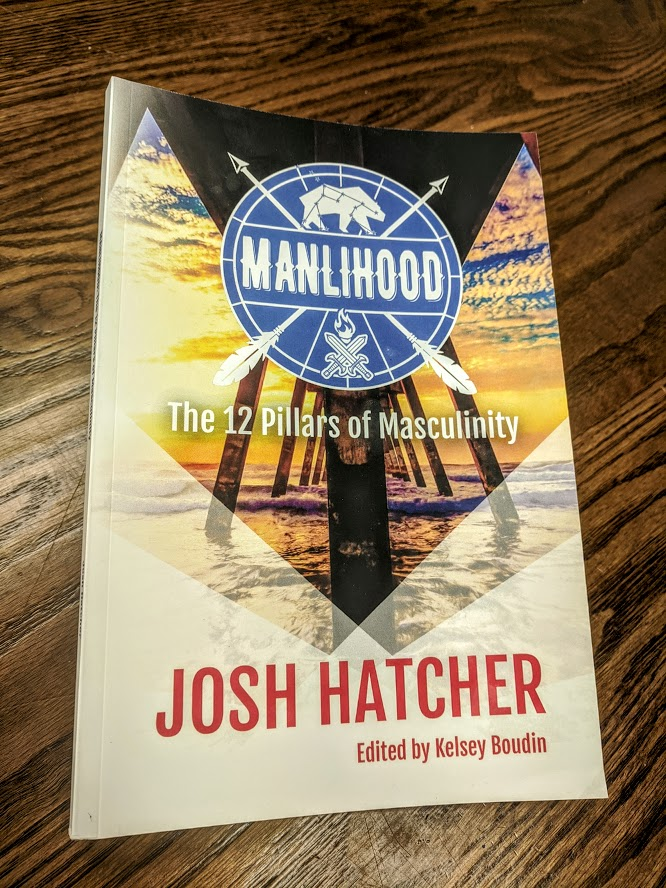
So I wrote and released Manlihood: The 12 Pillars of Masculinity.
The twelve pillars are:
- Personal Responsibility
- Labor
- Leadership
- Commitment
- Relationships
- Learning
- Maturity
- Victory
- Respect
- Mentorship
- Integrity
- Soundness
Each one gave me room to explore something men have to put into practice.
Personal responsibility asks us to own our choices. Labor makes us consider our work and our need for rest. Leadership begins with learning to lead ourselves. Commitment asks whether people can count on us when following through gets difficult.
Relationships takes us into friendship, marriage, and family. Learning keeps us willing to grow. Maturity asks us to examine the habits we should have outgrown. Victory invites us to consider how we respond to hardship and what we believe about our ability to move forward.
Respect shapes how we treat ourselves and others. Mentorship asks who we’re learning from and who we’re helping. Integrity brings us back to our principles and the legacy our choices create. Soundness makes room for joy, gratitude, and the things we allow to influence our lives.
Those subjects kept showing up because they reach into ordinary life. They affect how you work, how you love, how you handle disappointment, and what people experience when they’re around you.
Later, my friend Kelsey Boudin edited the book, and I rereleased it.
At the time, we were working on a manuscript. Kelsey was helping me communicate these ideas more clearly. I had no idea what that project might be planting in his own life.
Words have a way of staying with you. You can work through an idea in one season and find yourself needing it in another.
Kelsey has gone through a remarkable transformation of his own. He has walked through alcoholism and a broken family into a rebuilt life. Today, he is deeply invested in his faith and going to seminary.
God has done something in his life that I’m honored to have witnessed. I didn’t change Kelsey. I didn’t fix Kelsey. I didn’t put Kelsey’s live back together again. God did that. But knowing that some of the seeds were planted while we walked alongside each other through Manlihood means more to me than I can adequately explain.
A friend helped me make a better book. Along the way, the work became part of his own journey toward becoming a better man.
You rarely get to see the whole story while you’re in the middle of it.
Getting men together
Manlihood kept growing into different kinds of work.
By our seventh anniversary in 2020, we had held three Forge Men’s Weekends, developed small-group curriculum, and hosted other activities and events. I wrote then about men working through divorce, repairing marriages, exploring faith, and making changes in their lives. You can read that seven-year reflection here.
Those experiences matter because men need opportunities to respond to what they’re hearing.
You can read something that hits home and then go right back to your day. You can agree with every word of a conversation about responsibility while continuing to avoid the thing you need to take responsibility for.
It gets harder to do that when another man knows your name, remembers what you told him, and asks how it went.
A lot of guys here in my hometown have reached out over the years. We’ve been able to connect them with other men who can help them grow.
I meet with a group of them every Monday.
They encourage me as much as I encourage them.
I need those conversations. I need men in my life who can hear what I’m carrying, ask questions, and remind me to practice what I say I believe.
The work goes both ways.
That’s part of what I want men to find through Manlihood. People they can know well enough to trust. People who will show up. People they can encourage, too.
The conversations I never expected to have
Then there’s the podcast.
As we approach Season X, I look back at some of the people who have made time to sit down and talk with me, and it still surprises me.
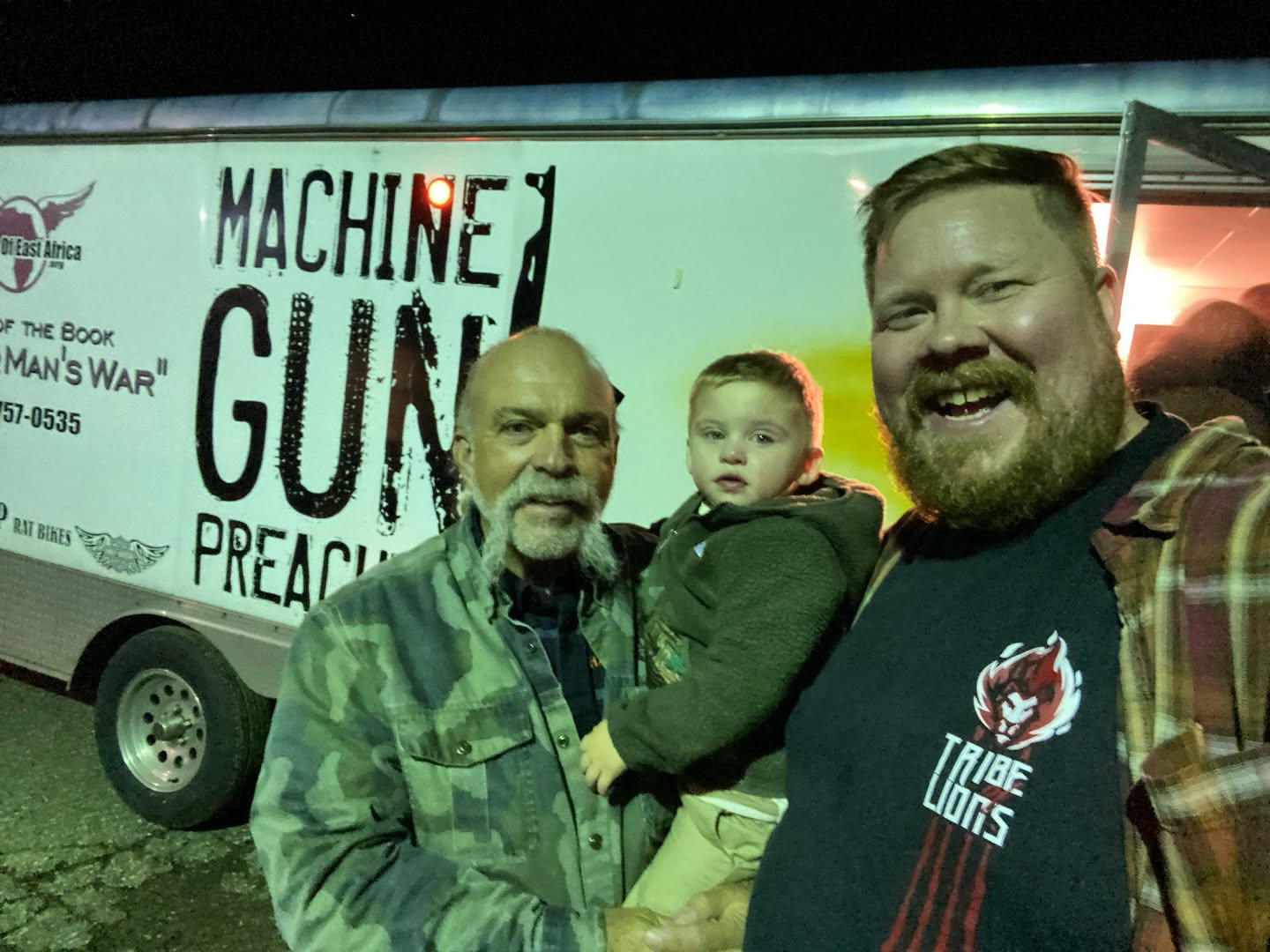
Sam Childers, the Machine Gun Preacher, came to my house.
We had a conversation in my living room.
There’s something about sitting in your own house talking with somebody whose story has traveled around the world that makes you stop and think about how you got there.
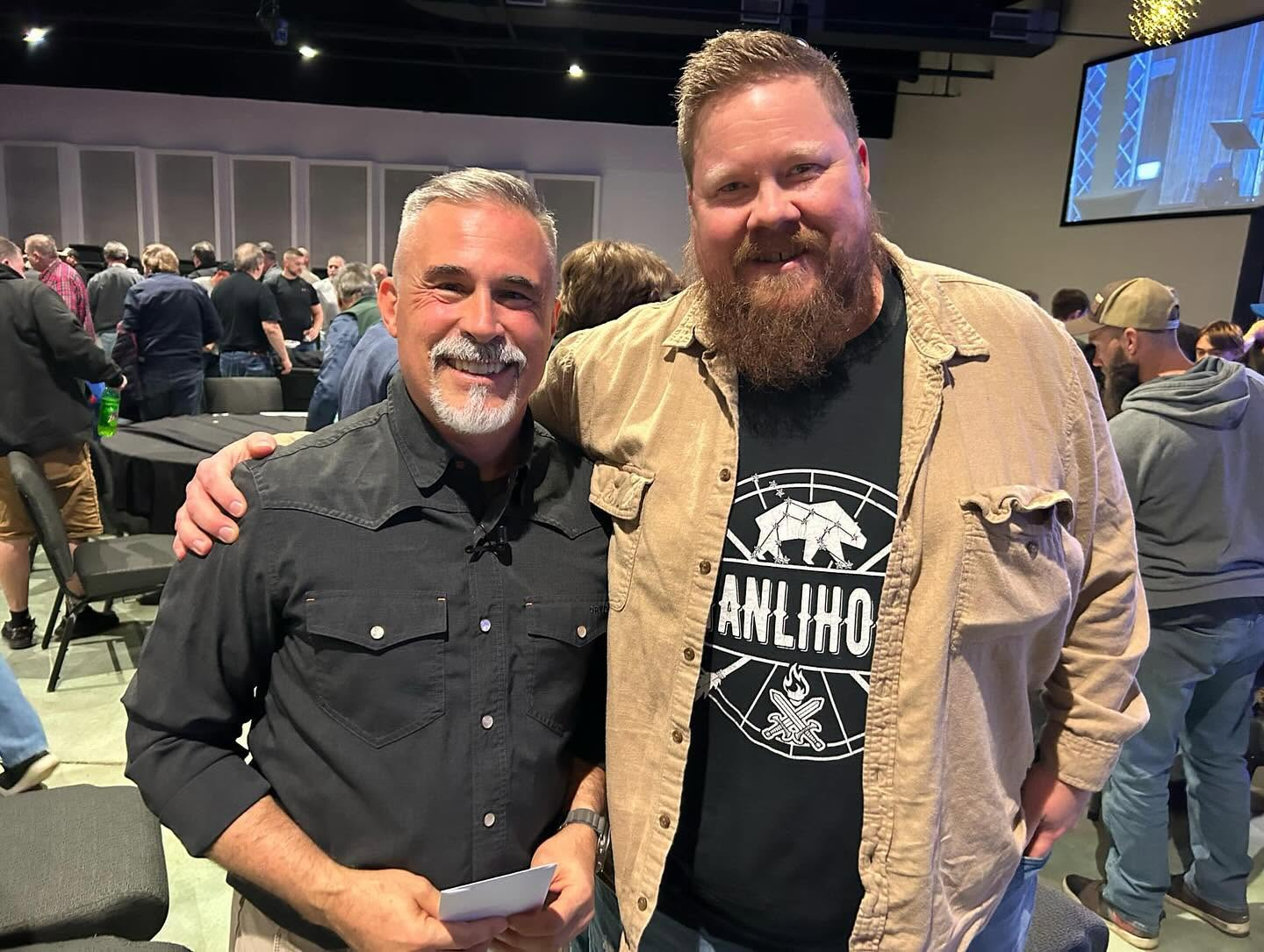
I’ve also had the opportunity to interview Dr. John Delony, Ken Coleman, bestselling thriller author Brad Thor, and DC Glenn from Tag Team, the group behind “Whoomp! (There It Is).” We have interviewed on a couple occassions war correspondent and author Chuck Holton, whose book “Making Men” had a lot to do with inspiring Manlihood.
Along the way, I’ve talked with authors, leaders, and people doing important work to equip men.
Those conversations give us access to experience we would otherwise never have. We get to ask what somebody learned, what challenged him, what he had to face, and what he wishes he had understood earlier.
A good interview gives you room to ask the next question.
What happened after that? Who helped you? What did it cost? How did you begin again?
I want to get close enough to a person’s experience that a listener can find something to take into his own life.
Sometimes that comes from a guest whose name you recognize. Sometimes it comes from a man you’re hearing about for the first time.
You listen to him talk and realize he’s putting words to something you’ve struggled to explain.
That moment matters.
The books went somewhere I never expected
In the past few years, I’ve walked through a crisis of my own involving someone I care about deeply.
He screwed up badly and went to prison.
His full story belongs to him. What I can tell you is that he took responsibility for his actions and has grown.
While he was incarcerated, I sent him copies of Manlihood: The 12 Pillars of Masculinity and Fight Like Hell: A Journal for Men Who Won’t Back Down.
Those copies got passed around.
Other men read them. Men who were broken. Men who had reached rock bottom and were having to look at their lives and the choices that brought them there.
The questions resonated. Taking time to reflect, face themselves honestly, and consider how to become better men meant something inside those walls.
Some of those men wrote to me.
I’ve written back to encourage them.
Think about that for a minute.
Blog posts I started writing years ago became a book. That book went to someone I love. He shared it with other men, and now I’m exchanging letters with people I might otherwise never have met.
Who would have thought?
I wanted the work to help men. Here it was reaching men in a place I hadn’t imagined, at a time when they were wrestling with some of the hardest questions of their lives.
I’m grateful they took the time to write. I’m grateful they gave the words a chance.
And I’m grateful to have something to offer them.
Responsibility still matters inside those walls. So does hope. A man facing the consequences of his actions still has choices to make about who he will become and how he will live.
If something I’ve written helps him face that work, I’m honored to be part of it.
Why the deeper work matters
That’s part of why the deeper work keeps showing up in Manlihood.
There are questions a man can avoid for a long time while staying busy.
What am I afraid to admit? Who have I hurt? What keeps coming out of me when I’m under pressure? Who knows what I’m actually dealing with?
Fight Like Hell gives men room to sit with those questions.
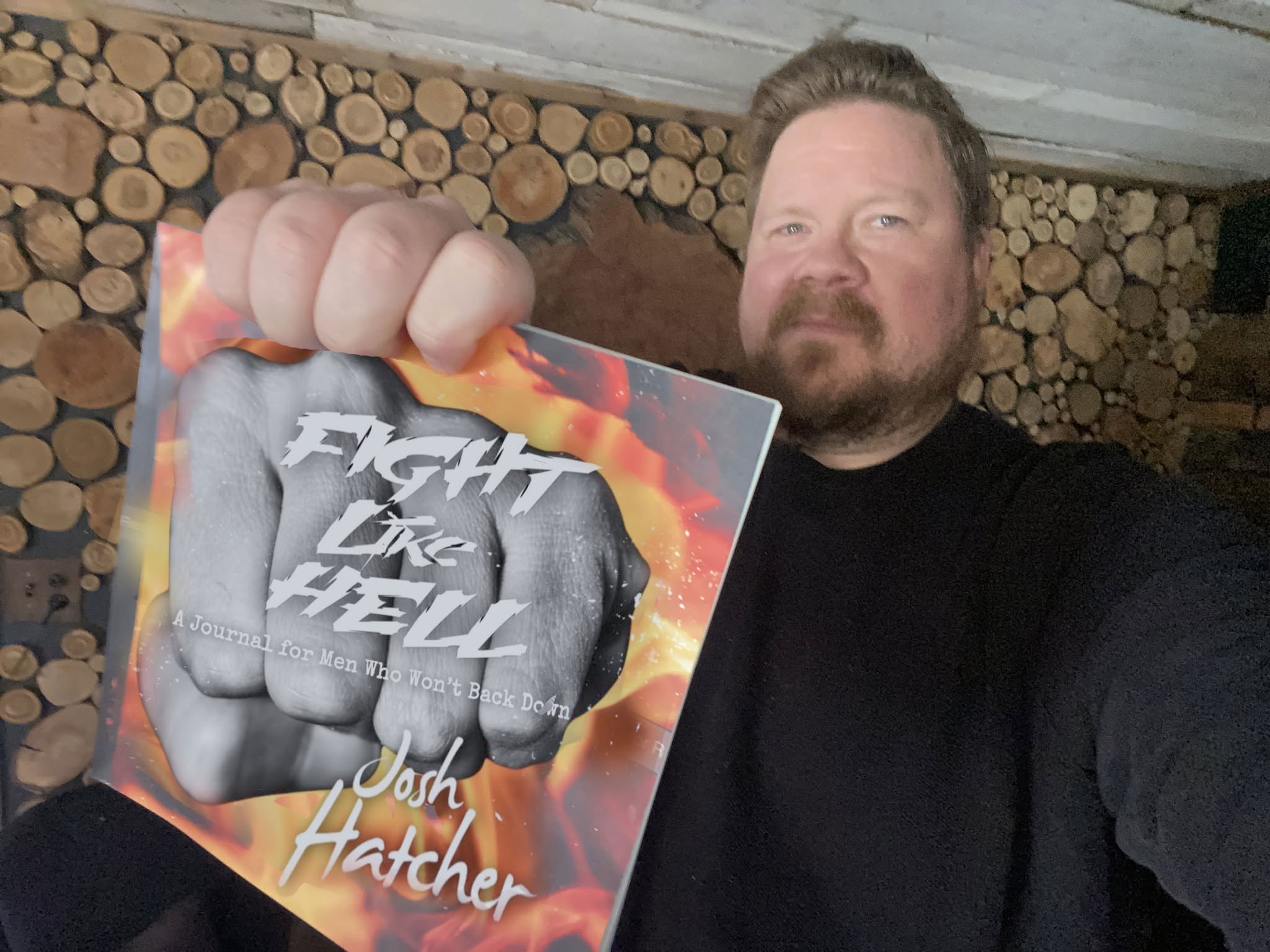
When you put an answer on paper, you can look at it. You can notice where you’re explaining something away. You can go back and finish the sentence you almost skipped.
Then you have to decide what to do with what you’ve written.
Call somebody. Ask for help. Make the apology. Change the habit. Tell the truth.
I want the things we make through Manlihood to help men reach that point of action.
A conversation can open the door. A journal can help you find the words. A friend can walk with you while you figure out how to follow through.
The work is still growing
As we move toward Season X, we’re continuing to build.
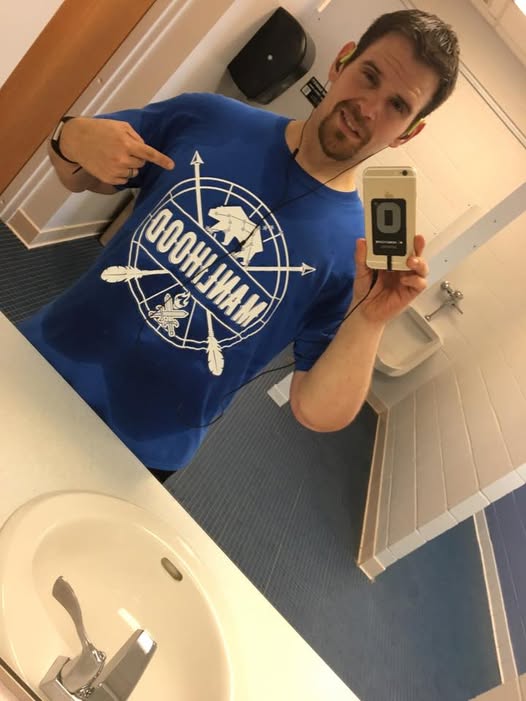
Justin Willoughby is joining us as a regular contributor. He’s my friend, and I’m looking forward to giving him more room to help men think through health, fitness, and getting started from wherever they are. Meet Justin here.
We’re also working on Rise Up Coaching for the new year. I want to give men a way to take what we talk about and practice it with some support and accountability. Here’s a first look at what we’re putting together.
Those are new pieces of work built around a purpose that has been here since the beginning.
Helping men become better men.
I’ve seen that work reach a friend editing a manuscript. Men sitting together on a Monday night. Listeners finding a conversation when they need it. Men passing a book around inside a prison.
I couldn’t have planned every part of that.
I could write the next article. Record the next conversation. Answer the letter. Show up on Monday.
And keep doing the work in my own life.
What I can promise you
I still don’t have it all figured out.
Anybody who claims to have every part of life mastered deserves some hard questions, especially when he’s trying to sell you something.
You can hear me talk about responsibility and still find places where I need to grow. I can write about discipline and have work to do. I can encourage you to be a better husband while continuing to learn how to love my own wife well.
I’m accountable for how I live with what I’ve learned.
Here’s what I can offer.
What I’ve learned, I’ll share. What I can help with, I’ll help you with.
I’ll keep asking questions. I’ll keep making room for men with something worth hearing. I’ll keep trying to make things you can use when you close the article or finish the episode and go back to your life.
And I’ll keep showing up with the men who encourage me to do the same.
To everybody who has read, listened, contributed, shared, written a letter, or trusted me with part of your story, thank you.
You’ve helped this become something I couldn’t have seen when I sent that email in 2012.
I love you, I’m proud of you, and I’ll see you next time.